

Computing
Intent:
At Peover Superior School, we provide a high-quality Computing curriculum that equips children with the knowledge, skills and understanding needed to thrive in an increasingly digital world. Through a carefully sequenced curriculum based on the Purple Mash 2026 Computing Scheme of Work, pupils develop their understanding of the three key strands of Computing: Computer Science, Information Technology and Digital Literacy.
We aim to develop confident, creative and responsible users of technology who understand not only how digital systems work, but also how to create, evaluate and communicate using digital content. Children are taught to think computationally, solve problems logically and apply their skills across a range of contexts. As technology continues to evolve, pupils are introduced to contemporary concepts such as artificial intelligence, networks, databases, physical computing and digital communication, helping prepare them for future learning and employment.
Online safety sits at the heart of our curriculum. Through regular teaching and dedicated Online Safety (2BeSafe) units, children learn how to navigate the digital world safely and respectfully. They explore their digital footprint, evaluate online information critically, understand risks linked to content, contact, conduct and commerce, and know how to seek help when needed.
We also make purposeful links between Computing and other curriculum areas, including Mathematics, Science, Design Technology and English, enabling children to apply their skills in meaningful contexts. Through high-quality Computing education from EYFS to Year 6, we aim to develop resilient, independent learners who can use technology effectively and responsibly in modern society
Implementation:
Our curriculum is designed to:
-
Provide all pupils with regular Computing lessons through a progressive and knowledge-rich curriculum based on the Purple Mash 2026 Computing Scheme of Work.
-
Deliver learning across the three core strands of Computing:
- Computer Science
- Information Technology
- Digital Literacy.
-
Ensure knowledge and skills are carefully sequenced so that new learning builds upon prior knowledge, while retrieval opportunities allow children to revisit and retain key concepts over time.
-
Develop foundational skills in EYFS and Key Stage 1 through activities that introduce technology, digital creativity, algorithms, programming and safe online behaviour.
-
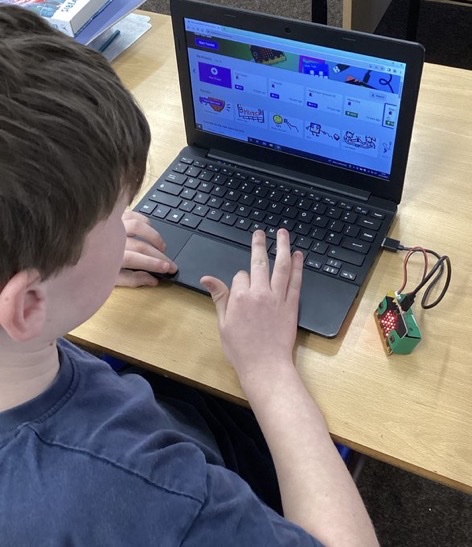
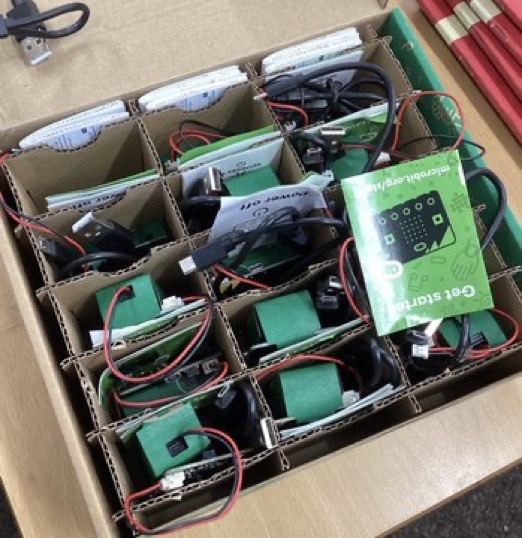
Extend learning in Key Stage 2 through units covering coding, databases, digital media, networks, simulations, hardware, digital communication, physical computing and emerging technologies.
-
Embed Online Safety throughout every Computing unit, with dedicated Online Safety units each year that allow children to explore current issues and develop as responsible digital citizens.
-
Promote a strong culture of online safety through participation in national initiatives such as Safer Internet Day and Anti-Bullying Week. Encourage pupils to apply their Computing skills across the wider curriculum by researching, presenting, creating and communicating using technology.
-
Use Purple Mash assessment tools, practical outcomes, teacher observation and retrieval activities to assess progress and identify next steps in learning.
-
Ensure all pupils are supported and challenged appropriately through ongoing assessment, curriculum review and collaboration with the Computing Lead
Computing in EYFS
In EYFS, children are provided with regular opportunities to explore and experiment with technology through both adult-led sessions and continuous provision. Learning focuses on developing curiosity, creativity and confidence with a range of digital tools. Children learn how technology can help them communicate, create, solve problems and share their ideas.
Across the year, pupils explore technology in their everyday environment, create digital artwork, use programmable toys and robots, make music and sounds, sort and group information, create stories and share their digital creations. They begin to understand simple algorithms and develop early computational thinking skills through practical, hands-on activities.
Online safety is introduced from the outset. Children learn simple rules for using technology safely, understand the importance of asking trusted adults for help and begin to recognise situations that may make them feel worried or uncomfortable when using digital devices
Computing in Key Stage One
In Years 1 and 2, children build upon the foundations established in EYFS and develop their understanding across all three strands of Computing. The curriculum provides opportunities for pupils to revisit and deepen key concepts through engaging and purposeful activities.
Children develop their programming skills by creating and debugging simple algorithms using coding software. They learn how sequences, repetition and logical thinking can be used to solve problems and create simple programs.
Pupils also create a range of digital content through units such as Animated Story Books, Creating Pictures, Presenting Ideas and Making Music. They learn how to combine text, images, sound and animation to communicate ideas effectively.
Data handling is introduced through activities including pictograms, questioning and branching databases, enabling children to collect, organise and interpret information. They also learn how technology is used beyond the classroom and how search engines can be used effectively to find information online.
Throughout Key Stage One, online safety remains a key priority. Children learn about personal information, passwords, trusted adults, safe online behaviour and the importance of making sensible choices when using technology
Computing in Lower Key Stage Two
During Years 3 and 4, pupils become increasingly confident and independent users of technology. They continue to build their knowledge of coding while exploring a wider range of software, tools and digital systems.
Programming units develop children's understanding of algorithms, repetition, selection, variables and debugging. Through coding activities, pupils learn to design, test, evaluate and improve their programs.
Children also investigate a range of Information Technology units, including presentations, email, simulations, animation, branching databases and document creation for different audiences. They learn how technology can be used purposefully to communicate, collaborate and organise information.
As part of their developing understanding of digital systems, pupils investigate computer hardware and explore how different components work together to influence computer performance.
Online safety learning focuses on protecting personal information, creating secure passwords, evaluating the reliability of online information, understanding online communication and knowing how to report concerns appropriately.
Computing in Upper Key Stage Two
In Years 5 and 6, pupils develop into capable and responsible digital citizens who can confidently apply their Computing knowledge across a range of contexts.
Children design, create and debug increasingly sophisticated programs using variables, functions, selection and repetition. They apply these skills through coding projects, game creation and interactive text adventures.
Pupils explore advanced Information Technology units including databases, blogging, concept mapping, quizzing, 3D modelling and digital publishing. They learn how digital tools can be used to organise information, communicate effectively and solve real-world problems.
Their understanding of digital systems is enhanced through learning about computer networks, the internet, the World Wide Web, servers, routers and network security. They evaluate online content critically and begin to understand the wider implications of technology within society.
Online safety teaching focuses on digital identity, digital footprints, phishing, scams, misinformation, copyright, plagiarism and responsible online communication. By the time pupils leave Peover Superior School, they are equipped with the knowledge, skills and confidence required to participate safely, responsibly and successfully in an ever-changing digital world.
Impact:
The impact of our Computing curriculum is evident in pupils who are confident, capable and responsible users of technology. They demonstrate increasing independence in computational thinking, problem-solving and digital creativity, applying their skills effectively across a range of curriculum areas.
Through ongoing assessment, practical outcomes and high expectations, pupils make strong progress throughout their Computing journey. They leave Peover Superior School well-prepared for the next stage of their education and equipped with the digital knowledge and skills needed for life in the modern world.